Events

Conference Speakers

2026/04/08
Education Speakers

​Educational Speakers

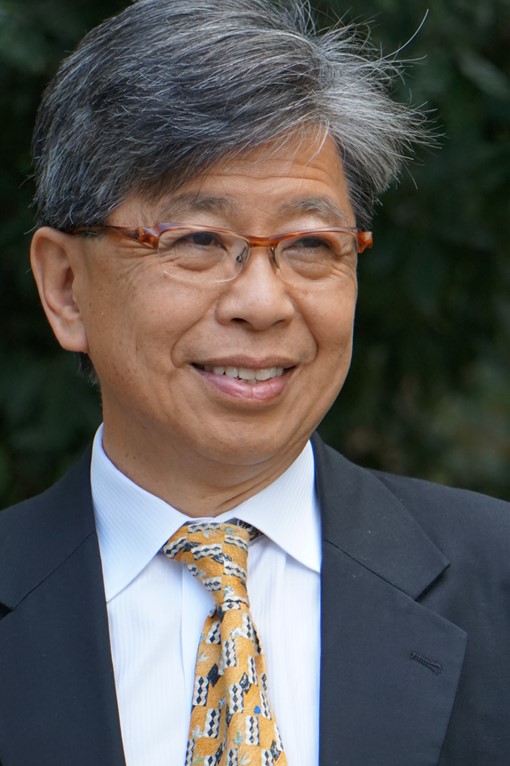
  • Prof Allen Yeoh

Head of Division & Senior Consultant, Division of Paediatric Haematology and Oncology.
- Khoo Teck Puat - National University Children's Medical Institute, National University Hospital
- National University Cancer Institute, Singapore

Viva-Goh Foundation Professor
Paediatric Oncology, Yong Loo Lin School of Medicine,
National University of Singapore


Professor Allen Yeoh is paediatric oncologist in NUH and a clinician scientist who is focused on management of acute lymphoblastic leukaemia (ALL), the most common type of cancer in children.

Prof Yeoh leads the Malaysia-Singapore ALL studies, focusing on optimizing treatment based on resource constraints and Asian phenotype. As Ma-Spore ALL event free survival reaches 90%, we are approaching the limits of what chemotherapy can do. To address this limit, Ma-Spore studies focused on 
1. Using precision medicine to determine when patients need intensive therapy versus when treatment can be safely reduced.
2. Introducing immunotherapy like blinatumomab and CAR T-cell therapy. 

Prof Yeoh co-leads NUS CAR T-cell programme with Professor Dario Campana.

Rational De-escalation in Cancer Treatment in Acute Lymphoblastic Leukaemia (ALL): Lessons from the Malaysia-Singapore (Ma-Spore) ALL studies. 

Acute lymphoblastic leukaemia (ALL) is the most common type of cancer in children. With modern multi-agent chemotherapy, survival from ALL has improved outcomes from10% in the 1970s to 90% in 2020s. 

With majority of children with ALL cured, late-effects and costs are important considerations. The Malaysia-Singapore ALL studies vision to do design ALL treatments for Asians and that are suitable for moderate resourced country like Malaysia and Singapore. 

While most cooperative groups focused on escalating therapy to reduce the risk of relapses, Ma-Spore focused on rational de-escalation of therapy. Using biomarkers that can accurately predict each patient’s risk of relapse, we focused on decelerating therapy for the standard risk patients whose cancer is sensitive to chemotherapy. Standard risk patients treated on Ma-Spore ALL 2010 and 2020 do not receive any anthracyclines and yet achieve a cure >95%. Our standard risk protocols are the only modern, highly effective protocol with no anthracyclines. 

Harnessing the patient’s immune system to fight cancer – immunotherapy – is now a reality. Monoclonal antibodies like blinatumomab and CAR T-cell therapy introduce a new class of precision weapons that promises to cure with less toxicity. 

In this talk, I will share Ma-Spore Study Group’s approach to Curing ALL.


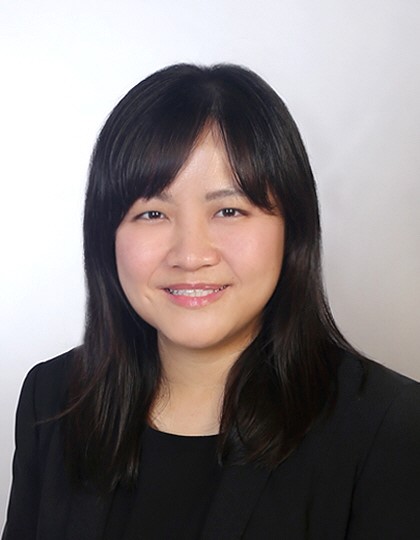
Dr Soon Yu Yang
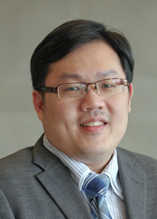
Senior Consultant
Department of Radiation Oncology, National University Cancer Institute, Singapore


Dr. Soon Yu Yang exemplifies our conference theme "Rational De-escalation in Cancer Treatment: From More to Meaningful" through his evidence-based approach to oncology. A radiation oncologist specialising in thoracic and lower gastrointestinal malignancies at the National University Cancer Institute, Singapore, Dr. Soon combines clinical expertise with rigorous research methodology.

After completing radiation oncology training in Singapore and Australia, Dr. Soon was awarded the Thomas Baker Fellowship to pursue a Master of Science in Clinical Epidemiology at Harvard University (2018). He has completed a PhD in clinical trial methodology and biostatistics at the University of Sydney in 2025, supported by an NMRC Research Training Fellowship.

Dr. Soon's research directly examines cases where intensive treatment does not lead to better outcomes. As Co-Chair of OUTRUN, he led the STARLET joint analysis that provided the first randomised evidence supporting osimertinib monotherapy over combination therapy in EGFR mutant lung cancer with brain metastases. His innovative target trial emulation study demonstrated that adding docetaxel to enzalutamide in metastatic hormone-sensitive prostate cancer did not improve survival.

Apart from being the Chair of the lung working party for the Trans-Tasman Radiation Oncology Group, Dr Soon also teaches clinical trial protocol development to early-career researchers at the Australia & Asia Pacific Clinical Oncology Research Development Workshop. His insights on clinical trials and evidence synthesis align perfectly with navigating when "less" can indeed be "more meaningful" for our patients.


Dr Yong Wei Peng
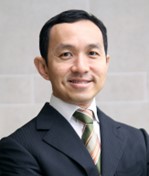

Senior Consultant

Department of Haematology-Oncology, National University Cancer Institute, Singapore


Dr. Yong Wei Peng is Associate Director (Research) and Senior Consultant at the National University Cancer Institute, Singapore at the National University Hospital. He obtained his medical degree and postgraduate training at the University of Aberdeen, Scotland, and completed an oncology fellowship at the National University Hospital.

Dr. Yong was awarded the A*STAR international clinical pharmacology fellowship at the University of Chicago. Upon his return to Singapore, he was awarded a three-year Investigatorship Award under the Clinician Scientist Award to further his research into personalized therapy.

Dr. Yong leads the therapeutic arm (NUH module) of the Singapore Gastric Cancer Consortium, which received the prestigious five-year Translational Clinical Research grant in 2007. He also serves as Chairman of the National Healthcare Group Domain-Specific Ethics Review Board.

His clinical interest is in gastrointestinal cancers, and his research interests are pharmacogenetics and epigenetics in cancer, as well as drug development.


Plenary Session

Plenary Session

  • Prof Edison Tak-Bun 

  • President Emeritus and Professor
    The Jackson Laboratory

Professor Edison Liu is Professor, President Emeritus and Special Fellow at The Jackson Laboratory, bringing decades of leadership in cancer biology, systems genomics, and translational medicine to our conference. An international expert with a focus on breast cancer research, Prof Liu has authored more than 360 scientific papers and reviews and co-authored three books. 

Prof Liu obtained his B.S. in chemistry and psychology and M.D. at Stanford University, followed by residency at Washington University, St. Louis, and oncology fellowship training at Stanford. He completed postdoctoral training in molecular oncology at the University of California at San Francisco under Nobel Laureate, J. Michael Bishop. 

From 2012 to 2021, Prof Liu served as president and CEO of The Jackson Laboratory, and the Director of the NCI designated JAX Cancer Center guiding the institution during an explosive phase of growth scientifically, and financially. Under his leadership, JAX established The Jackson Laboratory for Genomic Medicine in Connecticut, expanded production facilities in Maine, California, and Japan, and established a joint venture in China.

Previously, Prof Liu was the founding executive director of the Genome Institute of Singapore (2001-2011), chairman of Singapore’s Health Sciences Authority, and president of the Human Genome Organization (HUGO) from 2007 to 2013. He also served as scientific director of the National Cancer Institute's Division of Clinical Sciences in Bethesda, MD (1997-2001), overseeing intramural clinical translational science programs. From these experiences, he is a sought-after commentator and advisor in building institutions and national biomedical initiatives on a global scale. 

 Prof Liu's scientific research focuses on the functional genomics of human cancers, particularly breast cancer, uncovering new oncogenes and deciphering the genomic-scale dynamics of gene regulation that modulate cancer biology. His current research programs include BRCA1 promoter methylation dynamics, oncogenic drivers of genomic signatures in cancer, clonal dynamics of therapeutic resistance in triple negative breast cancer, and in identifying host genes that determine response to immune checkpoint inhibitors.

Among his numerous accolades, Prof Liu has received the AACR Rosenthal Award, the Brinker International Award for breast cancer research, the Chen Award from the Human Genome Organization, and the Public Service Medal from the President of Singapore for his contributions to resolving the SARS crisis.

Hear-the-Journey Session

Hear-the-Journey Session


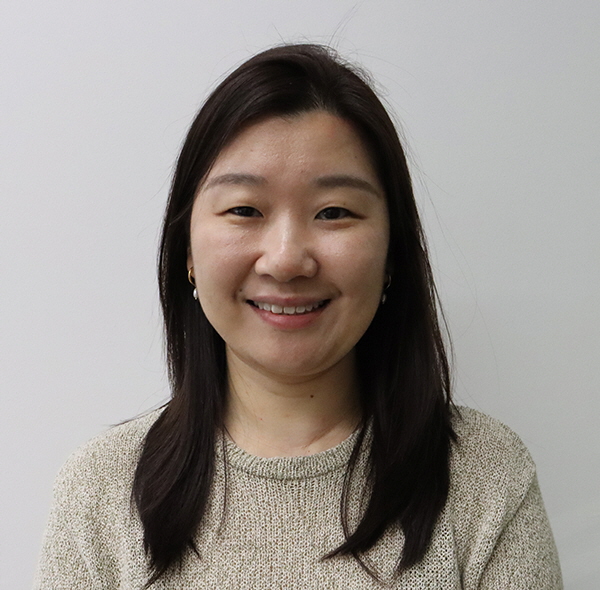
  • Dr Cinnie Yentia Soekojo


Consultant
Division of Haematology, Department of Haematology-Oncology
National University Cancer Institute, Singapore

Assistant Professor
Department of Medicine, Yong Loo Lin School of Medicine (YLLSOM), National University of Singapore

Dr Cinnie Soekojo is a Consultant Hematologist at the National University Cancer Institute, Singapore, and an Adjunct Assistant Professor at the Yong Loo Lin School of Medicine, National University of Singapore.

She completed her residency in the NUHS Internal Medicine Residency Program and obtained Membership of the Royal Colleges of Physicians, United Kingdom. She subsequently pursued subspecialty training in the NUHS Hematology Senior Residency Program at the National University Cancer Institute, Singapore, and was awarded Fellowship of the Royal College of Pathologists. During her training, she gained experience across diverse healthcare settings in Asia, shaping her collaborative and patient-centered approach.

She further subspecialized in multiple myeloma through the Advanced Hematology Fellowship at Mayo Clinic in Rochester, Minnesota, United States, where she developed expertise in the multidisciplinary management of complex plasma cell disorders and advanced therapeutics within an integrated model of care.

With a desire to better understand the biology underlying treatment responses, Dr Soekojo pursued a postdoctoral research fellowship at Dana-Farber Cancer Institute, the Broad Institute of MIT and Harvard, and Harvard Medical School in Boston, Massachusetts, United States. Her research examines the genomic and immune landscape of multiple myeloma using single-cell sequencing and spatial omics technologies. Her overseas training was supported by the National Medical Research Council (NMRC) Research Training Fellowship, and she was recently awarded the NMRC Transition Award.

Dr Soekojo is grateful for the mentors, patients, and collaborators who have shaped her path and remains committed to compassionate care and meaningful research. She hopes her journey will inspire the next generation of physicians to pursue excellence with humility and purpose, and to serve others with compassion.


      • A/Prof Chen Leilei, Polly


      • Principal Investigator & Research Director
        Cancer Science Institute of Singapore,
        National University of Singapore

        Associate Professor & Assistant Head
        Department of Anatomy, Yong Loo Lin School of Medicine (YLLSOM), National University of Singapore

      • Associate Professor Polly Leilei Chen began with a medical background before embarking on a cancer research journey that exemplifies the power of curiosity-driven science and translational impact. Her work has uncovered fundamental mechanisms by which RNA molecules instruct cancer cell behaviour, reshaping our understanding of cancer development and informing new approaches to treatment. Using next-generation sequencing technologies, cancer cell lines, and animal models, her team investigates these RNA-driven alterations, with a focus on oesophageal, gastric, colorectal, and liver cancers. Her research on adenosine-to-inosine (A-to-I) RNA editing and RNA splicing has opened new avenues for understanding cancer biology.

        To bridge the gap between research findings and clinical applications for early cancer detection, intervention, and treatment, her team developed the first antisense oligonucleotide (ASO)-based RNA editing inhibitors for cancer therapy. In addition, they identified an RNA editing signature to guide chemotherapy selection for gastric cancer. Both innovations have secured international patents.

        Dr Chen’s recent and upcoming research focuses on uncovering the molecular underpinnings of RNA-associated immunoregulatory mechanisms. She is also investigating how pre-neoplastic and tumour cells evade immune detection and activation by disrupting RNA sensing pathways.
    Last updated on
    Best viewed with Chrome 79.0, Edge 112.0, Firefox 61.0, Safari 11
    National University Health System
    • National University Hospital
    • Ng Teng Fong General Hospital
    • Alexandra Hospital
    • Tengah General and Community Hospital
    • Jurong Community Hospital
    • National University Polyclinics
    • Jurong Medical Centre
    • National University Cancer Institute, Singapore
    • National University Heart Centre, Singapore
    • National University Centre for Oral Health, Singapore
    • NUHS Diagnostics
    • NUHS Pharmacy
    • NUHS Regional Health System Office
    • NUS Yong Loo Lin School of Medicine
    • NUS Faculty of Dentistry
    • NUS Saw Swee Hock School of Public Health
    Back to Top