About NCIS

Milestones, Achievements & Awards

2023/08/04
  1. Jun 2026

    1. NCIS Recognised as a MASCC-Designated Centre of Excellence in Supportive Care

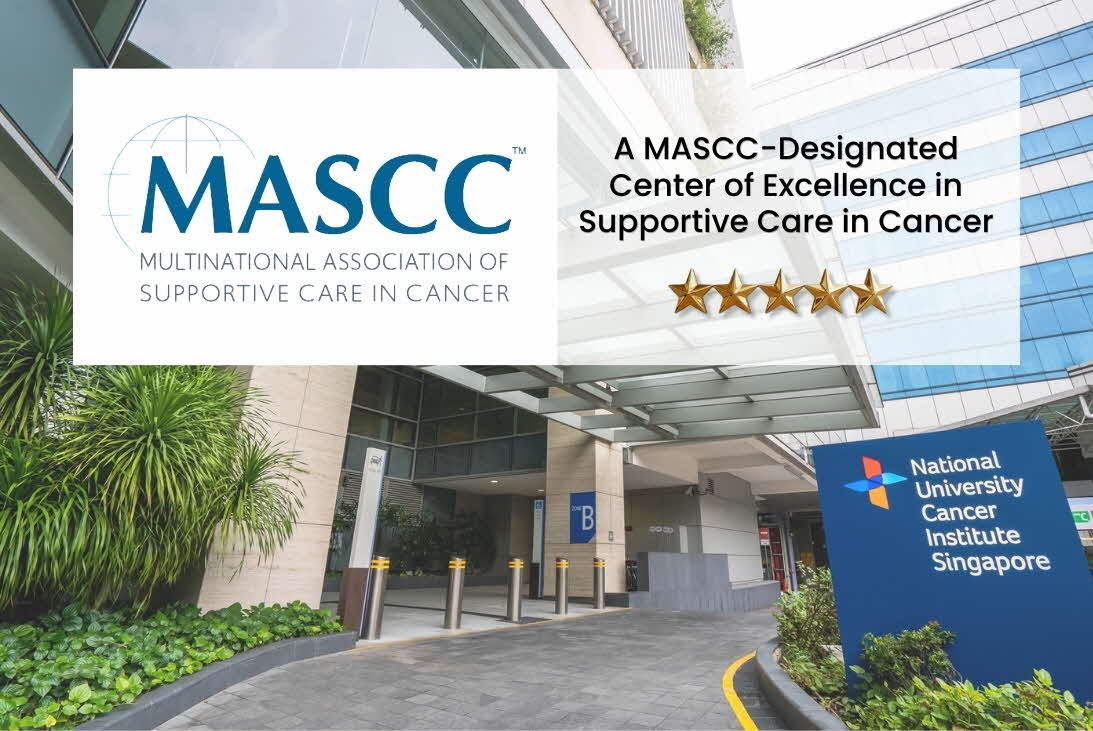
      MASCC-award-2026
      The National University Cancer Institute, Singapore (NCIS) has been officially recognised as a “MASCC-Designated Centre of Excellence in Supportive Care in Cancer” by the Multinational Association of Supportive Care in Cancer (MASCC). MASCC is an international, interdisciplinary organisation dedicated to the practice, education and research of supportive care in cancer. This prestigious international accreditation programme, which is valid for three years, recognises NCIS for its successful integration of comprehensive oncology treatments with excellent supportive and palliative care, ensuring that our patients receive holistic, compassionate support at every stage of their cancer journey.
  2. May 2025

    1. NCIS HSCT & Cellular Therapy Programme and Blood Bank Teams Achieve AABB Reaccreditation and CSM Qualification

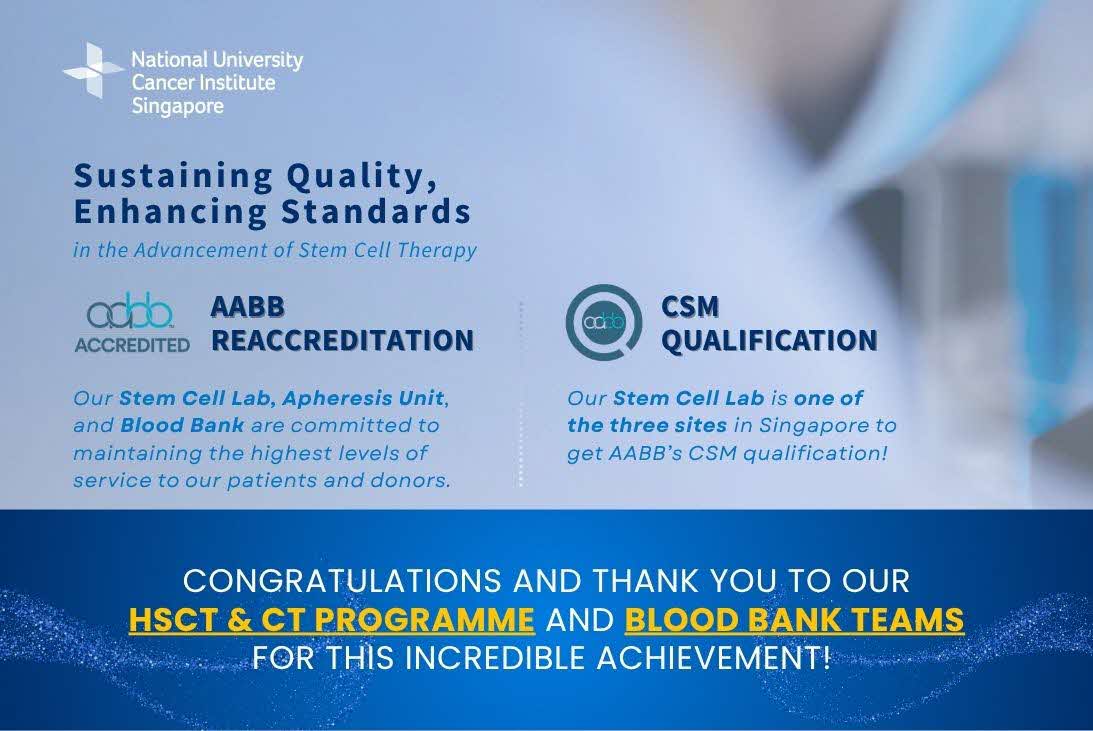
      NCIS HSCT & CT Programme and Blood Bank Teams Achieve AABB Reaccreditation and CSM Qualification
      The Haematopoietic Stem Cell Transplant (HSCT) & Cellular Therapy Programme and Blood Bank teams at the National University Cancer Institute, Singapore (NCIS) have successfully achieved reaccreditation by the Association for the Advancement of Blood & Biotherapies (AABB), an internationally recognised body that sets global standards in transfusion medicine and cellular therapies.

      In addition, the NCIS Stem Cell Laboratory has been awarded the AABB Cellular Starting Material (CSM) Qualification, placing it among the first in Singapore to receive this distinction. This certification recognises the laboratory’s strong capabilities and adherence to best practices in supporting advanced cellular therapy, as well as biotechnology and research partnerships.

      These achievements affirm NCIS’ continued commitment to quality, safety and operational excellence across stem cell collection, processing and blood banking services, ensuring the highest standards of care for both patients and donors. The milestone also reflects the dedication and expertise of the multidisciplinary teams who work collaboratively to deliver high-quality, patient-centred care in the advancement of cellular therapy. 
  3. Sep 2024

    1. NCIS HSCT & Cellular Therapy Programme Achieves Third FACT Re-Accreditation

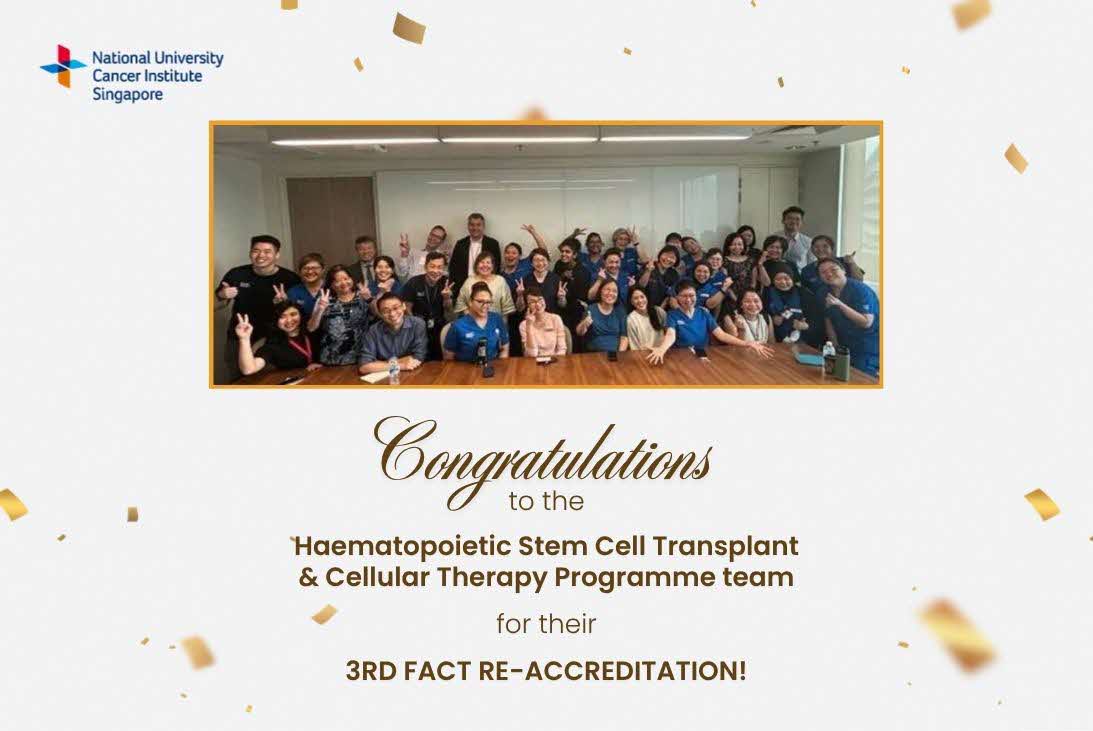
      NCIS HSCT & Cellular Therapy Programme Achieves Third FACT Re-Accreditation

      The Haematopoietic Stem Cell Transplant (HSCT) & Cellular Therapy Programme at the National University Cancer Institute, Singapore (NCIS) has successfully achieved its third consecutive re-accreditation by the Foundation for the Accreditation of Cellular Therapy (FACT), an internationally recognised gold standard in stem cell transplantation and cellular therapy.

      This milestone recognises NCIS as the first healthcare institution in Singapore to be accredited for both adult and paediatric services, reflecting adherence to the highest standards of quality, safety and clinical excellence. The re-accreditation affirms the Programme’s robust, multidisciplinary approach, encompassing clinical care, donor management, cell collection, processing, storage and administration. It also underscores the dedication and coordinated efforts of clinicians, nurses, pharmacists, laboratory scientists and care teams in delivering comprehensive, patient-centred care across the continuum of advanced cellular therapies.

  4. Mar 2023

    1. NCIS Commences First-In-Human Trial

      2023_20230323_NUHSDSC03198

      NCIS commences First-In-Human trial for CAR-T cell therapy using cells from healthy cancer-free donors. The two-year trial will test a new therapy on nine to 18 patients who have six of the most common types of cancers in Singapore - lymphoma, multiple myeloma, colorectal, lung, liver or ovarian cancer.

      “Cellular therapies form a new frontier of immunotherapy approaches to target cancer and its surrounding microenvironment. While inroads have been made with CAR-T cell therapies in blood cancers, those for solid tumours have had fewer successes. Hopefully, this trial will provide us with the information we need to bring this promising treatment strategy to a broader group of patients with cancer.” - Dr Raghav Sundar

  5. Jan 2023

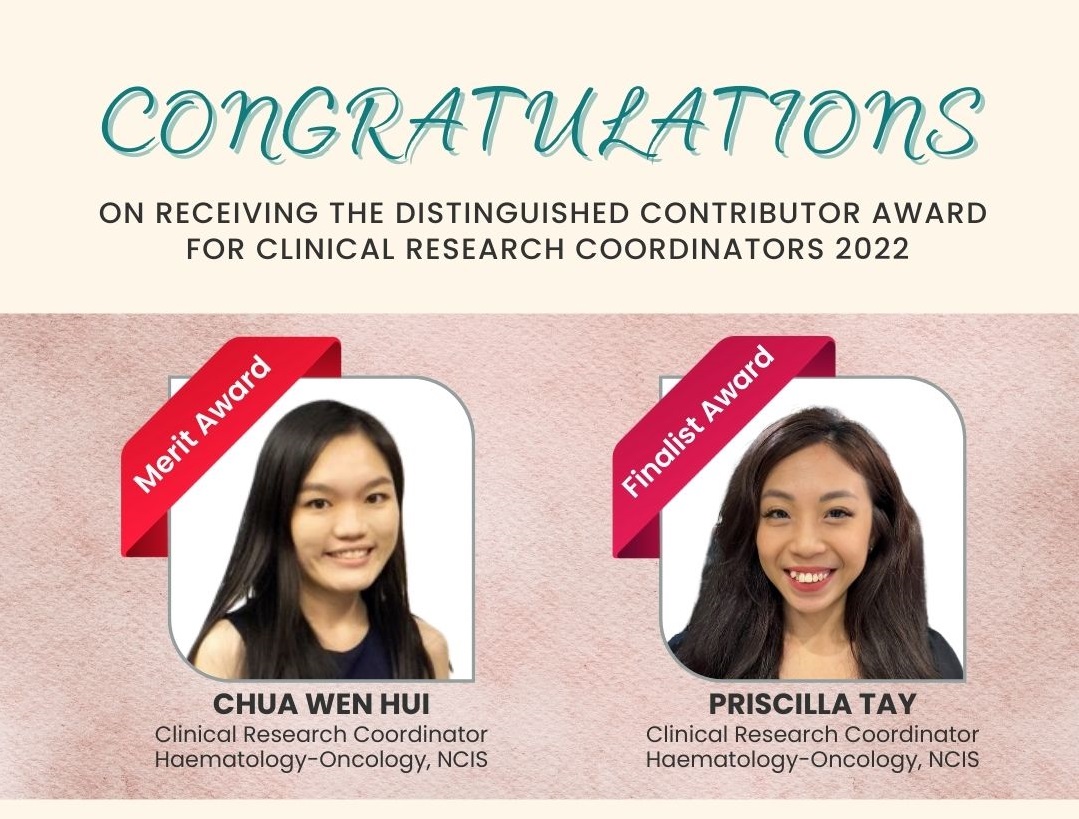
    1. Distinguished Contributor Award 2022

      2023_DCA-CRC Award EDM2

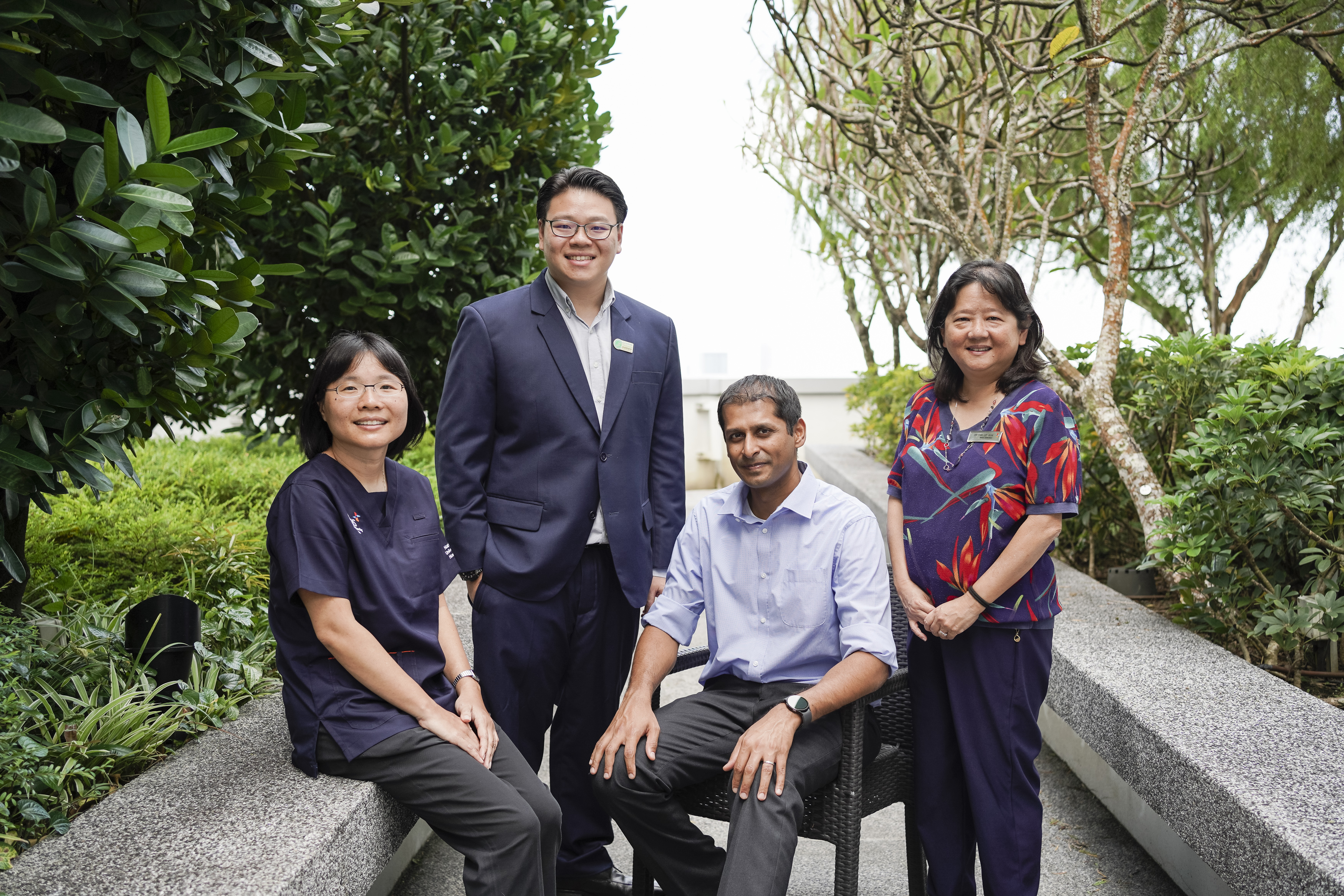
      Congratulations to Ms Chua Wen Hui (Merit) and Ms Priscilla Tay (Finalist) who have both been recognised for their incredible work as Clinical Research Coordinators! 

      The Distinguished Contributor Award recognises the steady work of CRCs who are the backbone of Singapore's clinical research community. They have powered the progress of scientific research, leading to the development of treatment, drugs and therapies for patients.

  6. Dec 2022

    1. Haplo17

      2022_1210_NUHS_1CY4362
      NCIS team develops the Haplo17 protocol - a new technique that makes haploidentical, or non-full-matched, transplants a feasible treatment option for blood cancer patients who were unable to find perfectly matched stem cell donors. A/Prof Koh Liang Piu who was intrumental in the development of the protocol, said that since its introduction at NCIS in 2017, about 50 patients have been treated and the outcomes have been comparable with those from full-matched donor blood stem cell transplants.
2026/06/03
Last updated on
Best viewed with Chrome 79.0, Edge 112.0, Firefox 61.0, Safari 11
National University Health System
  • National University Hospital
  • Ng Teng Fong General Hospital
  • Alexandra Hospital
  • Tengah General and Community Hospital
  • Jurong Community Hospital
  • National University Polyclinics
  • Jurong Medical Centre
  • National University Cancer Institute, Singapore
  • National University Heart Centre, Singapore
  • National University Centre for Oral Health, Singapore
  • NUHS Diagnostics
  • NUHS Pharmacy
  • NUHS Regional Health System Office
  • NUS Yong Loo Lin School of Medicine
  • NUS Faculty of Dentistry
  • NUS Saw Swee Hock School of Public Health
Back to Top