What is multiple myeloma?
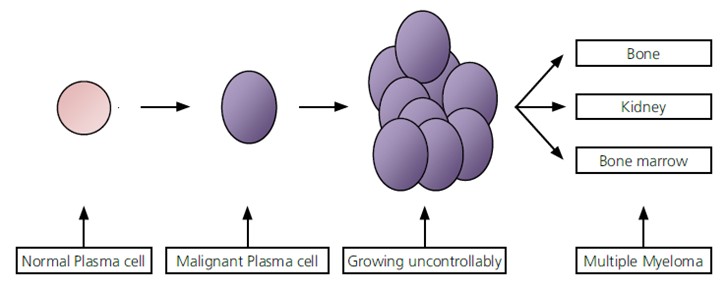
Multiple myeloma, also known as “myeloma” or “plasma cell myeloma”, is a blood cancer of the plasma cells of the bone marrow. In a healthy person, the role of plasma cells is to produce antibodies against infectious agents such as viruses and bacteria. Myeloma occurs when normal plasma cells become cancerous, or malignant, and multiply uncontrollably.
Multiple myeloma causes plasma cells to:
- Accumulate in the bone marrow, weakening and damaging the bone. This can result in bone pain and fractures and can also lead to increased levels of calcium in the blood.
- Produce abnormal antibodies (also known as monoclonal immunoglobulins or M proteins) that are not needed by the body to fight infection; these accumulate in organs such as the kidneys, restrict function, and cause damage.
- Overcrowd the bone marrow, outnumbering normal blood cells and limiting the production of healthy blood cells. Decreased blood cell numbers can cause anaemia, excessive bleeding, and decreased ability to fight infection
People with early stages of multiple myeloma may not have any symptoms at first, but the cancer can progress.
What are the signs & symptoms of multiple myeloma?
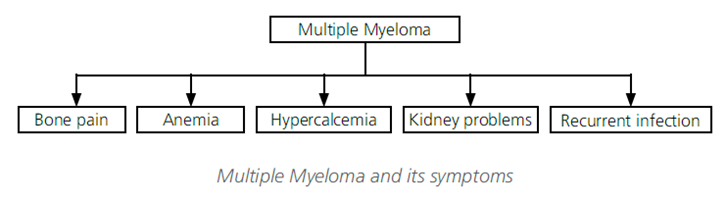
The signs and symptoms of multiple myeloma vary from one individual to another. During the early stages of the disease (MGUS or SMM), there are often no symptoms, and the disease is usually discovered through routine blood tests. As the disease progresses, common symptoms include:
- Bone damage: Multiple myeloma causes bones to weaken, leading to bone pain and increased risk of bone fractures. The most commonly affected areas are the spine, pelvis, and rib cage
- Hypercalcaemia: Bone destruction can release excess calcium into the bloodstream, which may result in loss of appetite, muscle weakness, restlessness, increased thirst, increased urination, mental confusion, tiredness, abdominal pain, nausea, and vomiting
- Kidney problems: Excess M protein and calcium will overwork the kidneys as they filter the blood, resulting in damage or failure. This may impair the body’s ability to remove excess salt, fluid, and waste, resulting in the swelling of the lower limbs and weakness
- Anaemia: The growing number of cancerous plasma cells in the bone marrow can interfere with healthy red blood cell production, resulting in anaemia. Some myeloma treatments can also cause anaemia. Symptoms include fatigue, weakness, dizziness, and shortness of breath
- Recurrent infection: Cancerous plasma cells produce abnormal antibodies that are ineffective against infectious viruses or bacteria. These plasma cells also overcrowd and impair normal cells in the bone marrow, decreasing the production of healthy white blood cells and functional antibodies (a condition known as leukopenia). As a result, myeloma patients are more prone to infections and take a longer time to recover. Low white blood cell count can also occur as a side effect of chemotherapy
- Increased bleeding: As the abnormal plasma cells multiply and overcrowd the normal cells in the bone marrow, the production of platelets is decreased (thrombocytopenia). This can lead to blood clotting issues such as frequent bleeding, nosebleeds, bleeding in the mouth, and prolonged bleeding from cuts or scrapes. Low platelet count can also occur as a side effect of some drug treatments.
What are the risk factors for multiple myeloma?
Although we have made advances in understanding how multiple myeloma develops, the exact cause has not yet been identified. Genetic mutations in the DNA of plasma cells can cause these cells to become abnormal and multiply rapidly. There are some specific mutations that have been identified as genetic risk factors, but these vary from patient to patient. That said, multiple myeloma is not thought to be a hereditary disease that can be passed from one generation to another.
Other factors can increase the risk of developing multiple myeloma; however, having a risk factor does not mean that a person will develop the disease. The risk of developing multiple myeloma increases with age, male gender, family history, obesity, and having other plasma cell disorders. Multiple myeloma is also more common in people of African descent. Exposure to toxic chemicals or atomic radiation and infection with cancer-related viruses have also been implicated as causes or triggers of multiple myeloma.
How is multiple myeloma diagnosed?
If your doctor suspects multiple myeloma, a series of tests may be recommended to confirm the diagnosis, understand how the condition is affecting your body and guide treatment planning.
Blood and urine tests
Blood and urine tests can provide important information about your overall health, including your blood cell counts, kidney function and the presence of abnormal proteins associated with multiple myeloma.
Your doctor may recommend tests such as:
- Complete blood count
- Creatinine and kidney function tests
- Calcium levels
- Total protein testing
- Lactate dehydrogenase (LDH)
- Beta-2 microglobulin
- Serum protein electrophoresis (SPEP)
- Urine protein electrophoresis (UPEP)
- Immunofixation electrophoresis (IFE)
- Quantitative immunoglobulin testing
- Serum free light chain testing
- Routine urine analysis
Imaging studies
Imaging scans help doctors look for signs of bone damage and identify areas affected by myeloma.
These may include:
- X-rays to detect bone loss, fractures or weakened areas of bone.
- MRI scans to provide detailed images of the bones and soft tissues and detect areas of disease involvement.
- CT scans to produce detailed three-dimensional images of bones and surrounding structures.
- PET scans to identify active areas of disease throughout the body.
Bone marrow examination
As multiple myeloma begins in the bone marrow, a bone marrow examination is often an important part of making a diagnosis.
This may include:
- Bone marrow aspiration:a small sample of liquid bone marrow is collected using a needle.
- Bone marrow biopsy: a small sample of bone marrow tissue is taken for further examination.
The samples are analysed to:
- Confirm the diagnosis
- Measure the number of abnormal plasma cells
- Assess genetic abnormalities
- Determine disease characteristics
- Guide treatment planning
Why early diagnosis matters
Early diagnosis allows treatment to begin before serious complications develop. Timely treatment may help reduce the risk of fractures, kidney damage, infections and severe anaemia while supporting quality of life.
What are the treatment options for multiple myeloma?
Treatment depends on the stage of disease, symptoms, overall health and whether a patient is suitable for stem cell transplantation.
Observation and monitoring
Patients with MGUS or smouldering multiple myeloma often do not require immediate treatment.
Regular follow-up may include:
- Blood tests
- Urine tests
- Imaging procedures
- Clinic reviews
This allows doctors to monitor for disease progression.
Drug therapy
Several groups of medicines are used to treat multiple myeloma:
- Proteasome inhibitors: These medicines interfere with cancer cell growth and survival.
- Immunomodulatory drugs: These medicines enhance the body's immune response against myeloma cells.
- Monoclonal antibodies: These targeted therapies help the immune system identify and destroy cancer cells.
- Steroids: Steroids are often combined with other treatments to improve effectiveness and reduce inflammation.
- Chemotherapy: Chemotherapy may be used in selected patients to destroy cancer cells.
Stem cell transplantation
Eligible patients may undergo an autologous stem cell transplant, where their own stem cells are collected, stored and returned following high-dose chemotherapy.
A stem cell transplant can:
- Improve disease control
- Prolong remission
- Improve progression-free survival
Although it is not considered a cure, it remains an important treatment option for many patients.
Radiotherapy
Radiotherapy uses high-energy radiation to destroy cancer cells.
It may be used to:
- Relieve bone pain
- Treat plasmacytomas
- Manage spinal cord compression
- Reduce the risk of fractures in specific areas
CAR-T cell therapy
CAR-T cell therapy is an advanced form of immunotherapy. A patient's own T cells are modified in a laboratory to recognise and attack myeloma cells before being returned to the body.
BiTE therapy
Bispecific T-cell engager (BiTE) therapy uses specially designed antibodies to help the immune system identify and destroy multiple myeloma cells.
Clinical trials
Clinical trials provide access to promising new treatment approaches and contribute to the development of future therapies.
Your doctor can advise whether a clinical trial may be suitable for you.
What can I expect after treatment for multiple myeloma?
Many patients continue to live meaningful and active lives after treatment. Ongoing follow-up care remains important.
Follow-up care
Regular follow-up appointments may include:
- Blood tests
- Urine tests
- Imaging scans
- Monitoring for recurrence
- Assessment of treatment side effects
Bone health
Your healthcare team may recommend:
- Bone-strengthening medications
- Calcium or vitamin supplements
- Weight-bearing exercises
- Measures to reduce fracture risk
Kidney health
Maintaining hydration and attending regular follow-up appointments can help protect kidney function.
Vaccinations
Vaccinations are particularly important as multiple myeloma and its treatments can weaken the immune system.
Speak with your doctor about which vaccinations are recommended and when they should be given.
Emotional wellbeing
It is normal to experience anxiety, uncertainty or fear after cancer treatment.
Strategies that may help include:
- Joining support groups
- Speaking with a counsellor or psychologist
- Connecting with family and friends
- Learning more about survivorship support services
Diet and exercise
Patients are encouraged to:
- Eat a balanced diet
- Include adequate protein
- Stay hydrated
- Consume fruits and vegetables daily
- Engage in regular gentle exercise such as walking or cycling
Avoid raw foods if your immune system is weakened and discuss dietary supplements with your healthcare team before starting them.
Living with multiple myeloma
Completing treatment for multiple myeloma is an important milestone, but recovery and follow-up care remain an important part of your journey. Everyone's experience is different, and the support you need may change over time.
At NCIS, we offer a range of survivorship and supportive care services to help patients manage their health and wellbeing after treatment. Depending on your needs, you may be referred to specialised services such as survivorship care, nurse navigation or patient support groups.
Multiple Myeloma Support Group The Multiple Myeloma Support Group provides a welcoming space for patients and caregivers to connect with others who are navigating similar experiences. Open to all multiple myeloma patients regardless of hospital, the group offers opportunities to share experiences, exchange practical advice, gain emotional support, and learn from healthcare professionals. Through regular support group activities and educational resources, members can find encouragement, understanding and guidance throughout their cancer journey. Find out more › | 
|
Ongoing Support and Recovery
As you move forward after treatment, your healthcare team will continue to monitor your health and provide guidance on areas that may require ongoing attention, including:
- Bone health, including strategies to maintain bone strength and reduce the risk of fractures.
- Kidney health, as multiple myeloma and its treatment can affect kidney function.
- General health maintenance, including screening, managing other medical conditions and supporting overall wellbeing.
- Mobility and safety, particularly if you experience fatigue, weakness, bone pain or reduced mobility.
- Emotional and psychosocial wellbeing, including adjusting to life after treatment, managing uncertainty, and accessing support services when needed.
- Sexual health and intimacy, as treatment-related side effects, physical changes and emotional wellbeing can sometimes affect intimate relationships.
Many patients find it helpful to stay active, maintain healthy habits, connect with supportive family and friends, and speak openly with their healthcare team about any concerns that arise during recovery.